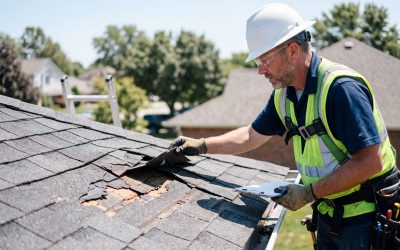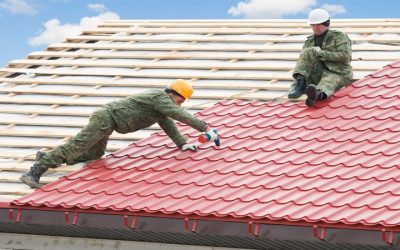
- Shingle and metal are the two primary roofing systems available for homes in The Villages area, each with different lifespans, wind performance, and upfront cost.
- Florida’s building code sets minimum wind-resistance and underlayment standards that influence which materials are practical for local homes.
- A professional inspection and written estimate are the best ways to match material choice to a specific roof structure and budget.
Selecting the right roofing material is the first decision that shapes cost, durability, and long-term maintenance for any home in Central Florida. Homeowners planning a Residential Roofing Installation in The Villages, FL typically choose between asphalt shingles and metal panels, since these two systems dominate the local market and meet state wind-resistance requirements.
Scott Allen Roofing works with homeowners and multi-family properties in the area, and the company’s listed installation services cover both shingle and metal roofing systems. That range gives homeowners a practical starting point when comparing options for a new roof or full replacement.
Shingle Versus Metal: Core Differences
Each material behaves differently under Florida’s heat, humidity, and seasonal storm activity. Understanding the basic trade-offs helps narrow the decision before requesting quotes.
- Asphalt shingles are generally the lower upfront cost option and remain the most common residential choice statewide.
- Metal roofing tends to last longer and handles wind uplift differently due to its panel construction and fastening method.
- Both systems require installation according to current state code, including proper underlayment and fastening patterns.
| Factor | Asphalt Shingles | Metal Roofing |
| Typical upfront cost | Lower | Higher |
| Wind performance | Meets code with rated products | Often performs well in high-wind zones |
| Maintenance needs | Periodic inspection for worn or lifted shingles | Less frequent maintenance, check fasteners and seams |
| Common homeowner concern | Shingle lifespan in heat and sun exposure | Panel expansion and fastening over time |
Florida Code Requirements That Affect Material Selection
Material choice is not purely aesthetic. Florida’s building code sets minimum performance thresholds that every installed roof must meet, regardless of style preference.
Current statewide rules operate under the 8th Edition Florida Building Code, and recent updates have pushed wind-uplift and underlayment standards higher across hurricane-prone regions. According to one 2025 industry guide, shingles, tiles, and metal panels now require higher wind uplift ratings, especially in hurricane-prone zones like Central Florida, and contractors must provide documentation showing materials meet updated wind speed charts.
The same update period introduced mandatory sealed roof deck requirements, since the code now requires secondary water barriers such as self-adhered underlayment or sealed sheathing tape, ensuring that even if shingles or tiles blow off, water will not immediately infiltrate the home.
For homeowners who want to verify current statewide wind and building standards directly, the Florida Building Commission publishes the official code editions and amendment history referenced by licensed contractors statewide.
Questions to Ask Before Choosing a Material
A short list of questions during the estimate stage can prevent costly surprises later.
- Does the quoted material carry a wind rating that matches the local exposure category for the property?
- What underlayment type is included, and does it meet current sealed-deck requirements?
- How does the warranty differ between shingle and metal options from the same contractor?
- What is the expected installation timeline for the chosen material?
Homeowners who ask these questions up front are better positioned to compare bids on equal terms rather than relying on price alone.
Frequently Asked Questions
Is metal roofing worth the higher cost compared to shingles in Central Florida? Metal roofing generally costs more upfront but can offer longer service life and strong wind performance, which some homeowners weigh against the lower initial price of shingles.
Do all roofing materials need to meet the same wind rating in The Villages area? Required wind ratings depend on the property’s design wind speed and exposure category rather than a single statewide number, so the exact rating varies by site.
How long does a typical residential roof installation take? Installation timelines vary based on roof size, material, and weather conditions, and a contractor can provide a project-specific estimate after an on-site inspection.
Can an existing roof be repaired instead of fully replaced? In some cases a licensed contractor can repair a section rather than replace the full roof, depending on the extent of damage and current code rules on partial repairs.
Choosing between shingle and metal roofing comes down to balancing upfront cost, expected lifespan, and the wind performance required for a specific property. Homeowners in The Villages area who want a clear, code-compliant comparison for their own roof can request a free inspection and written estimate from Scott Allen Roofing to review material options suited to their home.